Friday, October 24, 2014

Final Folio

After a semester of Photography class, and after so many shoot inside and outside university premises, we are required to make a printed layout of our best shots. I included photos which were before and after this semester and with all the new things I've learned from class, there were so many things I've done wrong in my old shots, and with that, I'm very grateful to have taken up this Photography class with our Professor, Sir Rey Mendoza.

I remember on the first day we were asked about why we want to learn Photography, and I answered: "Even though I already have experience how to use an SLR, the settings like Aperture, ISO and Shutter Speed and some others aren't really cleared up for me, I wanted to know what they are for. ", and after months of attending classes, my goal has been achieved and my questions has been answered, I learned a lot more than just the settings but also how to adjust it according situations.

Anyway, I have photos of our finals project which is the printed portfolio.


Pano?

We barely touched Photoshop or post processing with the pictures we took during Photography class but since manually stitching Panoramas would be hard, we dived right into Photoshop. 

First you'll need more than 1 shot of photos of any chosen surrounding, make sure when taking the next shot of the series, you shoot at least 20-50% of the previous shot so it would leave some room for the stitching.

And now for the stitching part, you have to open up the photos in Photoshop, go to File>Automate>Photomerge, select the "Auto" option under Layout, if your photos aren't in Photoshop yet, you can browse it, if its already in it, just click "Add Open Files" then click "OK", then wait until it finishes the stitching.

Make sure every shot has the same camera settings and in line with all the shots.

After it has done processing, you can just crop it.

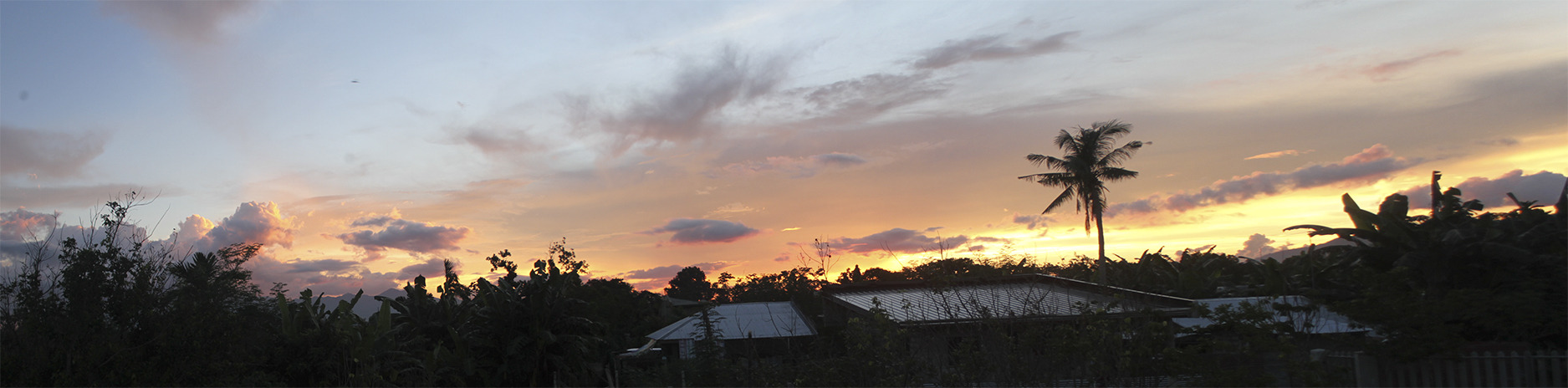
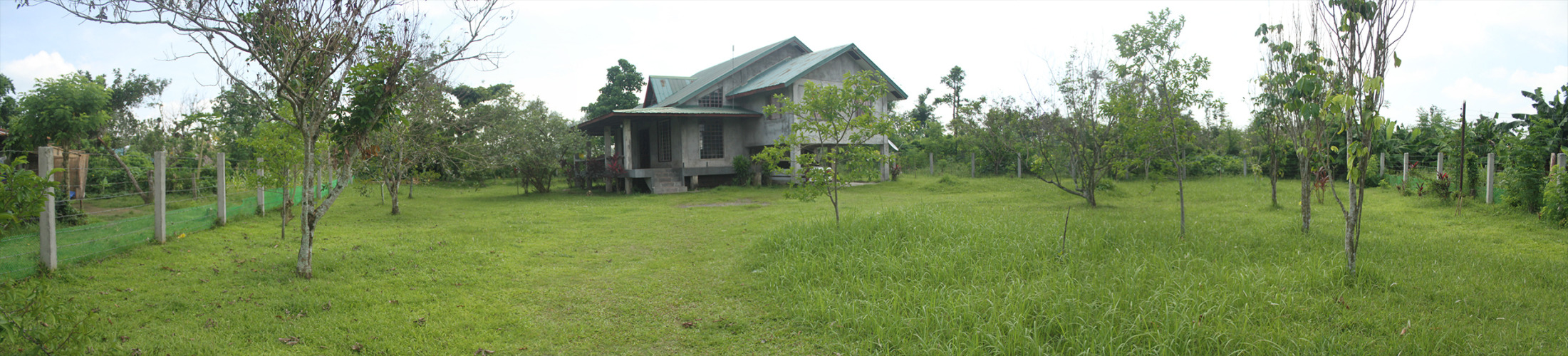
Here are examples of Panoramas:


Wednesday, October 8, 2014

A Bridge I Thought I Wouldn't Cross


Adobe has a lot of branches when it comes to softwares which are mostly multimedia production related programs. In the Creative Suite series, one of the new addition to the family was Adobe Bridge. At first, Bridge was something I'd usually brush under the rug or panic when I accidentally click the "Browse in Bridge" option under the File menu in Photoshop and other Adobe products I'd usually use but since its a requirement for us to study the mentioned program, I've found reasons to appreciate and actually use it.

So what is Adobe Bridge exactly? To my understanding, it is a program that is hooked up to the Adobe System and Softwares, like the name, it bridges out to these other programs. Bridge's use is that you can organize files with its tagging, rating, and filtering system, process or edit files without having to open them one by one and do changes to several with one click but Adobe Bridge lacks the manipulating or editing capabilities like Photoshop or Lightroom so that's why its tied with the Adobe products.

In simpler terms, Adobe Bridge is used for organizing files.


In our second year in studying Multimedia Arts and having a Photography class this semester, we are automatically assigned to cover big events that happens around the campus. Since there will be more than one student to do the coverage, photos and videos that were taken during the events needs to be compiled for output submission of our organization and I asked one of my classmates, who was one of the photographers of the events, "Are they using Bridge for the files?" and they said "No." and I answered "Well, they should.".

Saturday, September 27, 2014

Aware and Affect

Everything around us can affect us, inspiration, influence or harm. Mostly psychologically which builds up the personality and perception of a person. Anything that we see and experience can have this effect. What more of something that we encounter everyday. People, events, feelings, signs, billboards, TV shows, the internet. One of the things that are mostly and on purposely shown to people are advertisements, their primary purpose is to inform, to make you aware but that doesn't mean that's the only effect.

Most of the advertisements that has people in it would represent for the product, its their stand that they approve and believe of this product or service, and you should too, but is that just the case? Other than what they say, people also look on what they wear or do in the said advertising material and what is shown is said or implied to be ideal. Like children's TV show, they would have lessons and teach kids what should or should not do, for teenagers and above, we don't need a show to tell us what to do, its their own responsibility of how to process the things they see and experience.

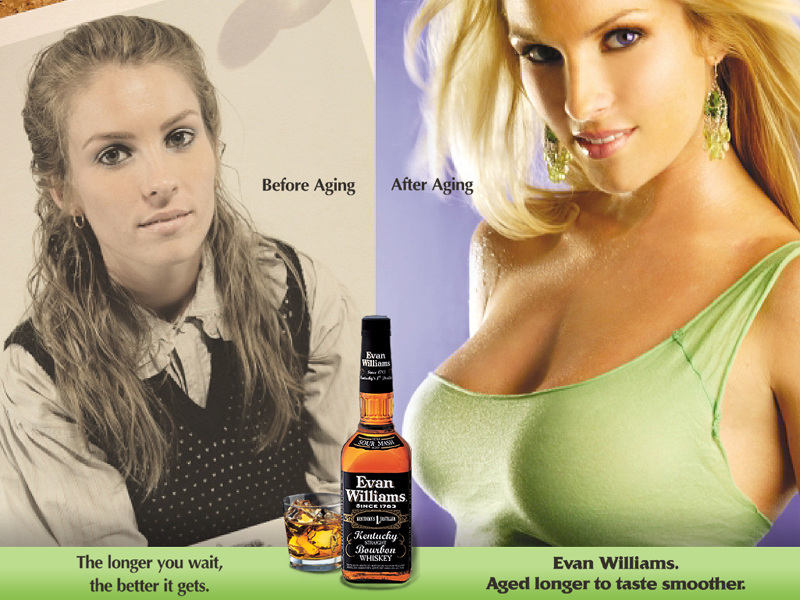
An example effect of this would be gender roles in media, there would be ads showing how a man or woman would act or look in the advertisement and people would perceive it that it's what's in or how to be acceptable.


Some advertisements also conveys a message, a virtue, or an advocacy and showing it through an advertisement is a nice way too since ads makes you aware, why not be aware of what we should really do? For the better.


==============

image sources:
http://www.newyorker.com/business/currency/woman-man-bourbon
https://www.youtube.com/watch?v=qGJSI48gkFc

Advertising Makes You Aware, But Are You Aware Of It?

We see it everyday, we either be convinced or not, but it is impossible to say and do that no form of advertising has not affected us. It's purpose is to invite people to buy a service or product in which of course will cost something.

Imagine if no one advertised anything, nothing at all. Getting informed about these products and services would be so much harder. Let's say you are in front of a bank establishment that you've never heard of, will you try your luck in it? Or go to a bank that you already heard of?


Advertising affects the decision making of people. It leads them to what they know is good. It's what drives the economy, if advertisements wasn't invented, the circulation of money would be slower and unproductive.

It can also be a form of entertainment depending on the cleverness of the advertisement.

So much for informing and convincing that it also persuades people to buying and spending. Which is a lost for the end of the consumers. Can result to materialism. Not all advertisements are true, sometimes misleading and sometimes just plain lying about the product.


Everything has its pros and cons.

===============

image sources:
http://junkbusters.com.au/the-latest/reclaiming-public-space-report-from-the-billboard-enquiry/
http://mychannel957.com/wendys-as-seen-on-tv-christmas-list/


A Light on the Shadow

There would be photos of subjects that has only one light creating a shadowed, hidden effect on the side where light doesn't hit. There would also be subjects that needs to show details ending up with two lights hitting the subject, the primary light would either be a spot light, or ambient light, then the secondary can also be another lighting emitting object or a reflector that would reflect the light coming from the primary light.

With subjects like products, be it a bottle of lotion, a bag, a phone, and camera and etc. There would be at least a  primary light and a reflector for its lighting.

Here are concrete examples:

Left is without a reflector, and right is with a reflector, you can see the bottom left of the jar is a bit less dark.
 
Same goes for here too, but now on the right side of the subject.


The reflector on this one is place in front.


Tuesday, September 2, 2014

FOOD TRIP

We did some food photography on our previous class in Photography, our group had Kwek-kwek and Fried Siomai as the ones to have taken photos of, I also took a photo from another group's food.